Build and Conquer money guide
How income actually works in Build and Conquer: population first, shops second, upgrades third, plus the mainland sector bonus and the buildings that pay.
Money comes from population and shops. Place dense housing, fill the gaps with supermarkets, upgrade buildings you already own before buying new ones, and take a mainland sector for +20% income and +30% population.
Every experienced Build and Conquer player says the same sentence in different words: the game is an economy first and a war second. Missiles cost steel, fuel and money; money costs population; population costs housing and, eventually, happiness. Here is the chain in the order it pays.
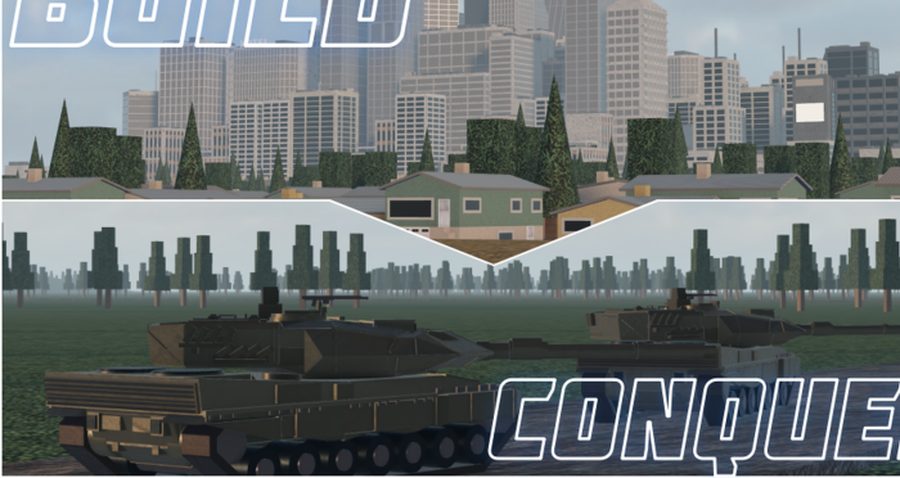
The income chain
| Layer | What to build | Notes from live testing |
|---|---|---|
| Population | Mid-rise apartments in rows | Apartment one starts around 32 population, apartment two tops out near 48 |
| Income | Shops, then supermarkets | Supermarkets are the strongest early money building |
| Upgrades | Upgrade existing buildings | Often better value than adding another weak building |
| Bonus | Hold a mainland sector | Reported +20% income and +30% population while held |
Community testing also found that expensive houses are better value than cheap ones — you get more income per plot from the pricier housing once you can afford it, so upgrade your housing stock before you sprawl.
Order of operations
- Fill your current plot before expanding. Money spent on land you do not develop earns nothing.
- Keep population and shops balanced. Shops without customers pay less; customers without shops are just costs.
- Upgrade in batches. The upgrade-all action exists for a reason — run it across a district while you handle something else.
- Watch your upkeep. Every building has maintenance, and a big city with weak income can genuinely run at a loss. If your daily balance is flat, you have too many decorative buildings and too few supermarkets.
- Then, and only then, take a sector. The mainland multiplier is the single biggest jump in income in the game, but it requires an army and a quiet-ish server.
Where money goes
Early on, money goes back into housing and shops. Mid game it goes into research, refineries and the steel chain, because missiles need steel and steel needs industry. Late game, the biggest money sink is the top-tier commercial towers — one player's upgrade ladder for a high-end money building ran from about 50K up past a million per level, which tells you how much a developed country actually earns.